
These were little compromises, tiny seemingly-harmless shape-shifty-things. I'd backed myself into a corner of a very small cage. And I wasn't okay in there. Something needed to change.
What Are You Worth? A Deceptively Difficult Question
Know-It-Alls Are Not Sexy

You know those kind of people that always know the answer? The kind of people who insist on making sure you have the facts straight? The kind of people who want to make sure that you know if you've gotten something wrong? The kind of people who need to be right?
Yah. I hate those kind of people.
And I hated it even more when I found out that I AM one of those people.
I'm sure to anyone who knows me very well, this information isn't quite the shocker that it was for me. It's probably relatively obvious that I'm a...
Finding Refuge in Uncertainty

In an effort to find quiet space in my house, somewhere that I could find solace -- a place to be able to write in peace, I decided to move outside. Our back deck looks over a canopy of oaks stretching from our home down the canyon toward the beach. I created a luxurious outdoor room with a super comfy sectional sofa and overstuffed pillows. I stocked it with cozy blankets (heated ones for cold and foggy mornings) and music (Sonos: I love you). My outdoor living room gets nuclear amounts of sunshine at certain parts of the day, so we hung some extra long outdoor drapes that can pull across part of the deck to shade the patio area.
The Dark Side of People-Pleasing

How to Know When It's Over
6 Steps to Courageous Intimacy
Courageous Intimacy is the sharing of all of one's heart with one another. And I'm not talking about sharing the pretty parts - like love and joy - with each other (although that's great and I encourage you to do so). I mean sharing all of you: the good, the bad and the ugly. Sharing who you really are—which is a practice of unending vulnerability.
The Cure for Anything

Every dream comes at a price. Sometimes the price is on the smaller side: a few sleepless nights, a few extra dollars, maybe even a tax on basic self-care needs. Sometimes the price is an internal shift: learning to be vulnerable, learning to let go, learning to have faith. But there are other types of dreams — the ones that keep us up at night, the ones that gnaw at our hearts, the ones that haven’t left us alone, for days, months or even years — and those are the most expensive dreams of all. Those dreams mark the threshold between who you are now, and who you are meant to become.
A year and a half ago, my dream was born from a puddle of tears (as most important dreams are). After ten years of pouring my heart into my life coaching career, I came to the heartbreaking recognition that although my tools were helpful and even life-changing for some, they were falling far short of what many of my students needed. I had come to the last inch of a dead-end road with my career...
3 Key Steps to Self-Compassion

Most of us have a natural compassion towards others. We see someone struggling or suffering and it's our human nature to want to extend a hand, to offer loving kindness and to want to help. Yet, when we look inward, many of us struggle to offer ourselves the same kindness.
Self-compassion means to extend love, friendliness and acceptance to one's self in instances of perceived inadequacy, failure, or general suffering. To some extent, self-compassion also has the meaning of trusting oneself - trusting that we have what it takes to know ourselves thoroughly and completely without feeling hopeless, without turning against ourselves because of what we see. Self-compassion is a form of faith: a faith in the way we hold our conversation with life.
The Dalai Lama says that having compassion for oneself is the basis for developing compassion for others. When we have learned to have compassion for ourselves, this leads us naturally to unlimited friendliness toward others.
10 Things You Should Give Up to Be Happy
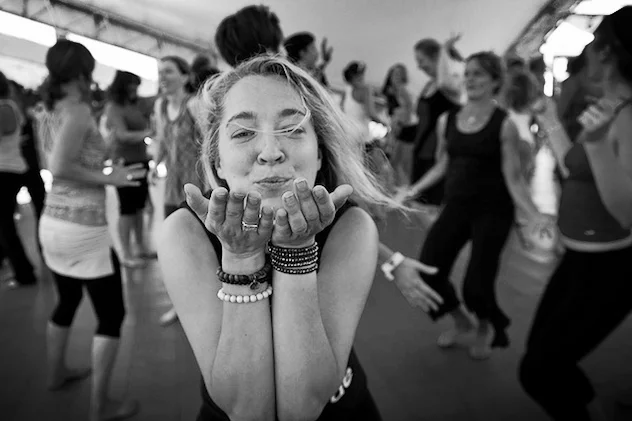
Most of us want to live happier, healthier and more meaningful lives. In this pursuit, we often look at what we should DO to be happy, and that seems pretty obvious: do more things you like and less things that you don't like. But, we often look for happiness in all the wrong places. We hold on to so many things that cause us a great deal of pain, stress, and suffering — and instead of letting them all go, instead of allowing ourselves to be stress-free and happy — we cling to them. The Buddha called this habit "mistaking suffering for happiness," like a moth flying into the flame. This means that we confuse our temporary sense of relief or pleasure for happiness rather than seeing how it creates long-term suffering.