A “nice” narcissist doesn’t look abusive at first. They seem helpful, flattering, even generous—until the “help” becomes control. Learn the 3 signs: the Helpful Takeover, extractive flattery, and the reverse savior complex. Spot covert narcissistic manipulation early, protect your boundaries, and stop emotional exploitation before you’re trapped.
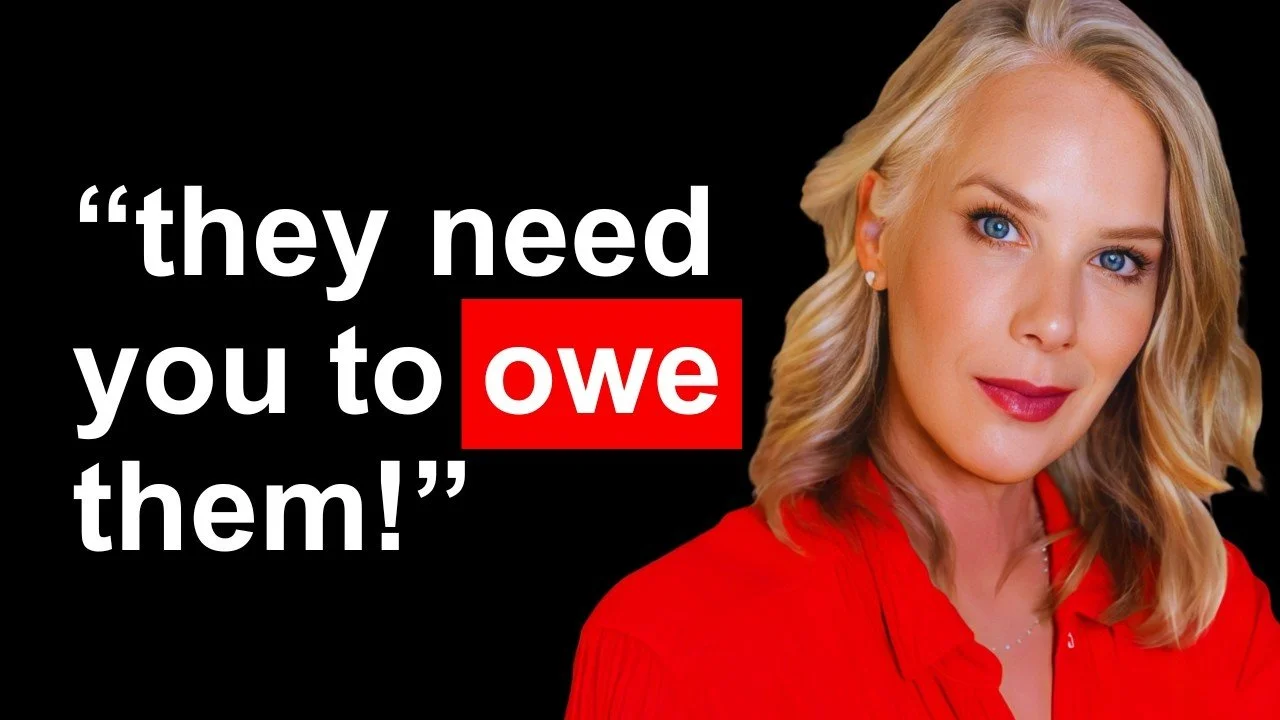
Most people think there’s no such thing as a “nice” narcissist — that narcissists are always overtly selfish or cruel.
The truth is, there’s a very dangerous kind of narcissist that has almost everyone fooled.
They study your needs, mirror your personality, and subtly train you to feel responsible for their comfort. And by the time you realize what’s happening, you’re already stuck — guilty, confused, and afraid to pull away because you don’t want to hurt them.
That’s the trap: you want to leave, but they seem so “nice.”
I’ve spent the last twenty years studying self-worth and narcissistic relationships. I teach people how to recognize manipulation the moment it starts. In this post, I’ll show you how “nice” narcissists use ordinary conversations to make you serve their needs — and how to take your power back when they do.
What a “Nice” Narcissist Actually Looks Like
The first thing you’re going to notice is that this feels confusing, because these people seem polite. They seem normal. They seem helpful and interested. Nothing about them looks dangerous.
What differentiates them isn’t their tone. It’s how they present themselves, the hook they’re using, and how you feel once that hook is in place.
Underneath the niceness is a specific kind of pride. It shows up as false humility — downplaying their own needs while quietly positioning themselves as more capable or more together than you.
When you mix these traits together — someone who acts like you’re the broken one who needs help, with someone obsessed with appearing “nice” — you end up with a seriously difficult person to deal with.
Because it looks and sounds like they’re trying to help you… but it doesn’t feel like help. It’s weirdly exhausting and confusing.
If you think about covert narcissists and how they secure supply by getting your pity and reassurance — a “nice” narcissist is the same idea upside down. Instead of wanting pity and assurance, they want to pity you and assure you.
They want your attention in a way that reinforces their image as the capable, generous one — the person who shows up, helps, and knows what to do when others don’t. They live inside a quiet sense of moral superiority — always giving, always stepping in, always doing what’s “right,” while positioning themselves as the one who doesn’t need anything in return.
Clue 1: The Helpful Takeover
Here’s what to listen for. It usually follows the same 3-part pattern, no matter how it’s phrased.
1) They establish themselves as “helpful” and above you
They present as the one with more capacity, more stability, or more control.
You’ll hear things like:
“You can use my office — it’s more private.”
“Why don’t you let me make dinner?”
“I’ll pick the kids up for you.”
None of this is asked for. It’s assumed.
The help shows up before you’ve said you need it and before you’ve agreed to receive it. There’s an expectation that you’ll accept — because saying no would make you seem ungrateful or difficult.
The offer crosses into your time, space, or responsibilities, but it’s framed as kindness — so you’re not supposed to question it. That’s how the boundary gets bypassed.
2) They position you as the one who has a “problem”
You’ll hear:
“You look exhausted.”
“You seem really overwhelmed lately.”
“I know how stressed you get.”
It sounds caring, but little by little, you’re framed as the one who’s struggling, missing something, or not managing as well as you should.
Your role is now set: they’ve got it handled, and you’ve got the problems.
3) What’s yours becomes theirs
They pick up the kids and want to keep them longer.
They offer to make dinner, but now it’s hard to get them to leave.
They occupy your space. They take over. They decide how things will be done.
And it’s disorienting because they’re taking more and more of your time and attention while positioning it as help you need.
Put together, the pattern sounds like this:
I’m above you → you need help → so what’s yours becomes mine.
Why this works is simple: most people respond to kindness with reciprocity. You’re wired to care and to want to give back. Narcissists know that. They know most people allow more access once they’ve been “helped.” That’s exactly the time, attention, and energy they’re trying to extract.
Once you see the pattern, here’s what’s happening underneath it:
“I’m above you. You need help. What’s yours should be mine.”
It’s a lie. They are not above you — they’re using you to get their needs met.
And what’s yours should never become theirs, no matter how much they’ve “helped.” Real help comes from care — not entitlement.
Clue 2: Extractive Flattery
This one is confusing because again, it seems so “nice.” It sounds like appreciation, not manipulation. Being praised doesn’t usually put you on alert — especially if you are competent, talented, helpful, or hardworking.
That’s exactly why it works.
“Nice” narcissists use excessive praise not just out of kindness, but as a tool to manipulate the relationship. Their fawning keeps you emotionally indebted, securing more supply.
Watch for compliments that assume too much intimacy too soon.
Like a boss saying:
“You’re the most organized person ever. I wish I had someone like you at home to take care of me.”
That crosses a boundary. It blurs professional and personal roles.
Or compliments that quietly fold them into your “specialness,” like:
“Oh my gosh, your hair is so beautiful. I’m sure you have the same problem as me—guys are constantly hitting on me because of my hair.”
It’s flattery that aligns you with them and elevates them at the same time.
Here’s the pattern:
1) They elevate you
The praise is over-the-top. It shows up early. It blurs boundaries.
2) They create obligation
You feel special, chosen, and subtly responsible to stay warm, open, available.
3) They take privileges
More access. More time. More leniency. More emotional availability.
Put together:
I flatter you → you feel indebted → I gain privileges.
I used to fall for this because I genuinely like complimenting people. I was naive to the dark side of flattery — taking kind words at face value.
If you ever feel like praise has a price, trust that feeling.
Clue 3: Reverse Savior Complex
This is when they position themselves as a hero — subtly baiting you into a role where you not only allow them to “rescue” you, but where they feel elevated and needed by you.
They frame help offers in a way that makes you feel guilty if you don’t accept.
They might say:
“I love marketing, and it would mean so much to me if you let me design your brochures.”
Notice what’s happening: their emotional wellbeing gets tied to your compliance. It becomes more about affirming their importance than helping you.
Once you let them in, their need for praise becomes a bottomless pit. It was never about helping you. It was about keeping you under their influence and feeding their need for attention.
I used to struggle with this because I hated hurting people’s feelings and I didn’t have strong boundaries. I felt responsible for other people’s emotions, which made me an easy target.
Now, when I suddenly feel like I’m “supposed” to let someone help me, I check myself. It doesn’t automatically mean they’re a nice narcissist — but it does mean I’m being pulled by guilt. And that’s my cue to slow down and take a step back.
“Nice” narcissists don’t look like villains. That’s why they’re dangerous. They use help, praise, and “kindness” to gain access — then train you to feel responsible for their comfort.
If you want to protect yourself, the key is to stop confusing politeness with safety. Watch the pattern. Watch what it costs you. Watch whether your boundaries get bypassed while you’re being told it’s “help.”
Want Help Spotting the Signs Sooner?
Inside the Un-Manipulatable 5-Day Training, I show you exactly how to recognize these patterns in real time — and what to do the moment they show up.
You’ll learn how to let silence speak louder than guilt.
How to set boundaries with zero drama.
And how to anchor back into yourself, even when you’re under pressure.
And if you want to go deeper, click here to learn about — If You See THIS, They're a Narcissist. You’ll learn more tools for spotting manipulation and creating boundaries that actually work.
I’m glad you’re here. Let’s keep going.
—Meadow